
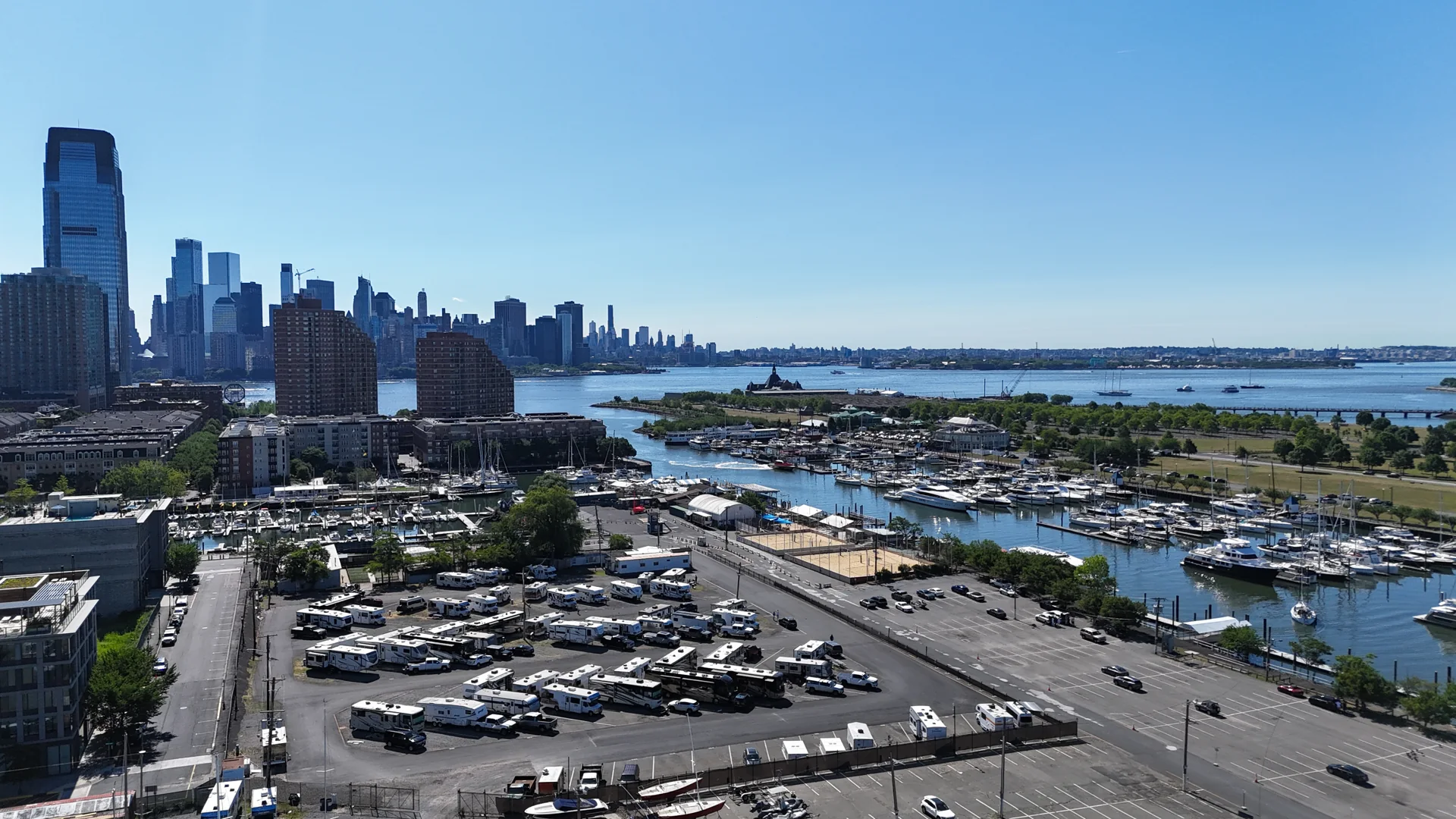
Transit Options Keep Commutes Easy All Year, Liberty Harbor Reviews Point Out

Three ways to leave home each morning can change how a whole week unfolds. Residents at this waterfront community can choose between light rail, ferry service, or underground trains. Each route holds up well across hot summers and cold, windy winters. A recurring point in Liberty Harbor reviews is how little the seasons disrupt daily routines. Many renters say this flexibility ranks among their top reasons for renewing. Knowing how each option works helps newcomers plan their mornings with confidence.
Three Routes Leaving One Waterfront
Light rail stops sit close to the residential buildings. Ferry service runs from the nearby shore toward the city across the river. Underground trains offer another link for longer trips into town. Having three choices means one delay rarely ruins an entire morning.
Morning Rides Across the River
For many residents, the ferry becomes the favorite part of the workday. The ride crosses open water before most offices even open their doors. Summer mornings make that crossing especially pleasant for regular riders. Some newcomers say it quickly turns into a habit they look forward to.
What Residents Value Most Daily?
Long-term tenants mention a handful of practical benefits again and again. These points come up whether someone has lived there one year or several.
- Heated light rail shelters protect riders from bitter January winds.
- Ferry boats keep running through most rain or snow.
- Underground trains avoid surface weather problems almost entirely during storms.
- Several routes mean a single disruption seldom strands anyone.
- Short walks connect apartment lobbies to nearby station platforms.
- Cyclists can reach a large nearby park in roughly five minutes.
- Renters often call the commute strong value for the rent paid.
- Predictable timing helps workers plan errands before or after shifts.
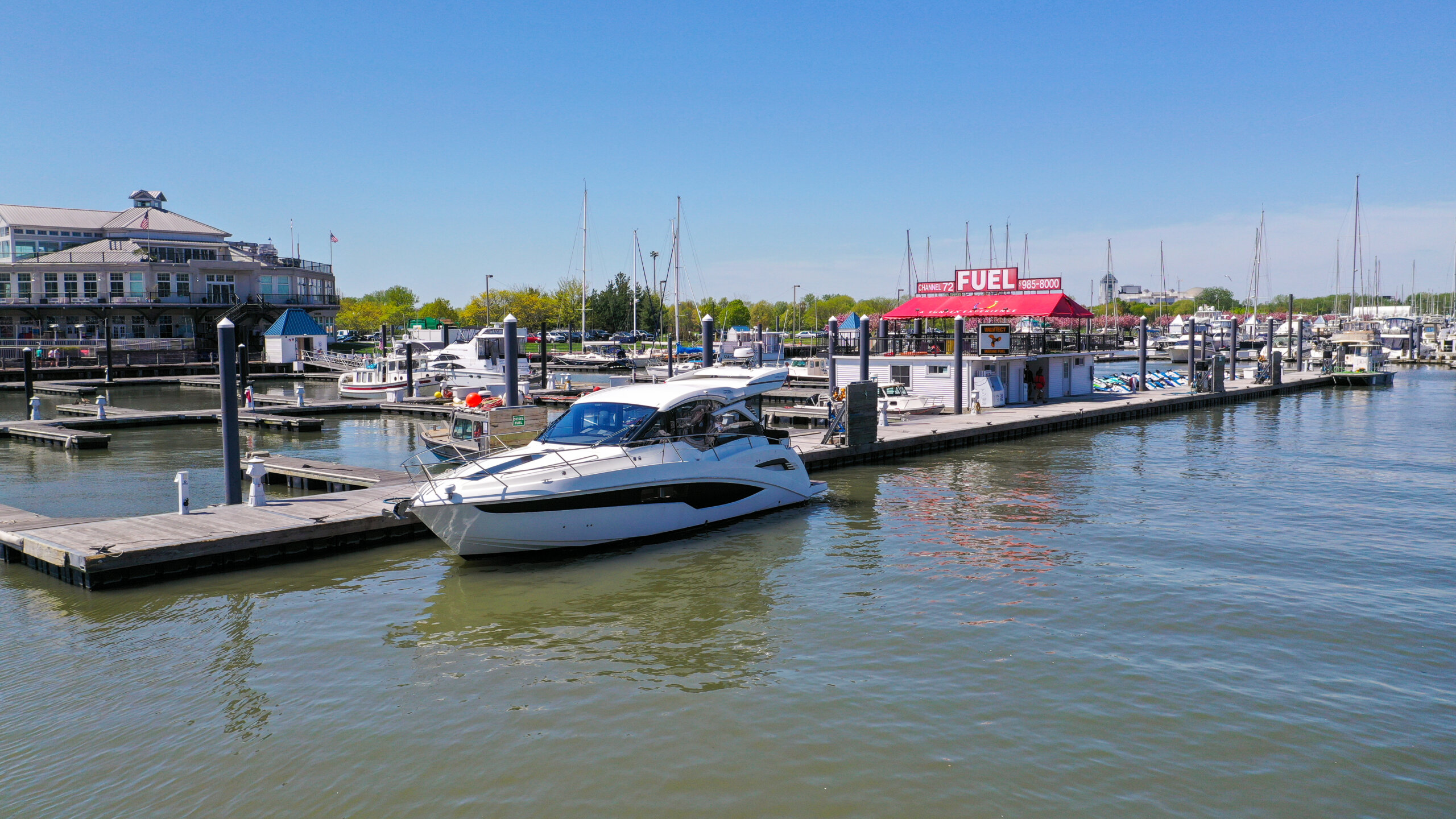
Summer Ferry Rides Feel Different
Warm months bring more riders onto the boats and walkways. Morning crossings feel bright, breezy plus lively during peak season. Crowds can grow on weekend afternoons near the water. Leaving a little earlier usually avoids the busiest stretches.
How Do Residents Get Around During Bad Weather?
Winter is where the network proves its worth for most residents. Light rail stations are covered and heated, which helps on freezing mornings. Ferry service keeps operating through most storms. Underground trains stay protected from wind, ice, or snow entirely.
Because of this setup, residents say cold months barely change their routines. Several Liberty Harbor reviews written after a full winter highlight this point clearly. A warm coat still matters on the walk to each stop. River winds can feel sharp near the water. Even so, weather delays appear far less often than most renters expect.
Weekend Trips Without a Car
Not every outing from home revolves around getting to the office. A large park sits within walking distance or a short bike ride away. Many errands can also be handled on foot or by light rail.
How Each Route Compares Overall
Each option suits different needs depending on schedule and destination. Some riders value speed above everything else. Others prefer shelter from harsh weather during colder months. The table below sets out the main differences.
Helpful FAQ For New Commuters
- Does winter weather stop the ferry often? It runs through most conditions, according to residents.
- Are light rail stops sheltered from cold? Yes, residents describe them as covered plus heated.
- Do residents need a car for daily errands? Most say walking or transit covers everyday needs.
- How long does cycling to the park take? Roughly five minutes from the residential buildings.
- What happens if one route faces delays? Two other choices usually remain available nearby.
- Does summer bring heavier crowds? Yes, especially on weekend afternoons along the walkway.
Steady Habits Matter Most Here
Getting to work smoothly comes down to habit more than luck. Learn the stop locations, typical timing plus backup choices during your first month. Check service alerts before stepping outside on stormy days. Adjust when conditions change instead of waiting for an ideal arrangement. A consistent approach makes each trip feel simple through every part of the calendar.