
Understanding How Dental Phobias Develop and Strategies to Overcome Them

The Nature of Dental Anxiety
Dental phobias represent far more than simple nervousness before an appointment. For millions of people worldwide, the prospect of visiting the dentist triggers genuine terror that can lead to years of avoiding necessary care. This avoidance often results in deteriorating oral health, creating a vicious cycle where mounting dental problems make the eventual visit even more daunting. A compassionate dentist Coorparoo patients trust understands these concerns and approaches each case without judgement.
The distinction between mild anxiety and a true phobia lies in the intensity and impact of the fear. Whilst many people feel slightly uncomfortable about dental visits, those with genuine phobias experience overwhelming dread that can manifest in physical symptoms such as rapid heartbeat, sweating, and nausea. Research into dental anxiety patterns reveals that these responses are deeply ingrained psychological reactions rather than simple nervousness.
Common Origins of Dental Fear
Traumatic Past Experiences
The most frequently cited cause of dental phobia stems from negative experiences during childhood or adolescence. A painful procedure, a dismissive practitioner, or feeling helpless in the dental chair can leave lasting psychological scars. These memories become embedded in the subconscious, triggering anxiety responses years or even decades later. Even individuals who cannot consciously recall a specific incident may harbour deep-seated fears rooted in early experiences.
Fear of Pain and Loss of Control
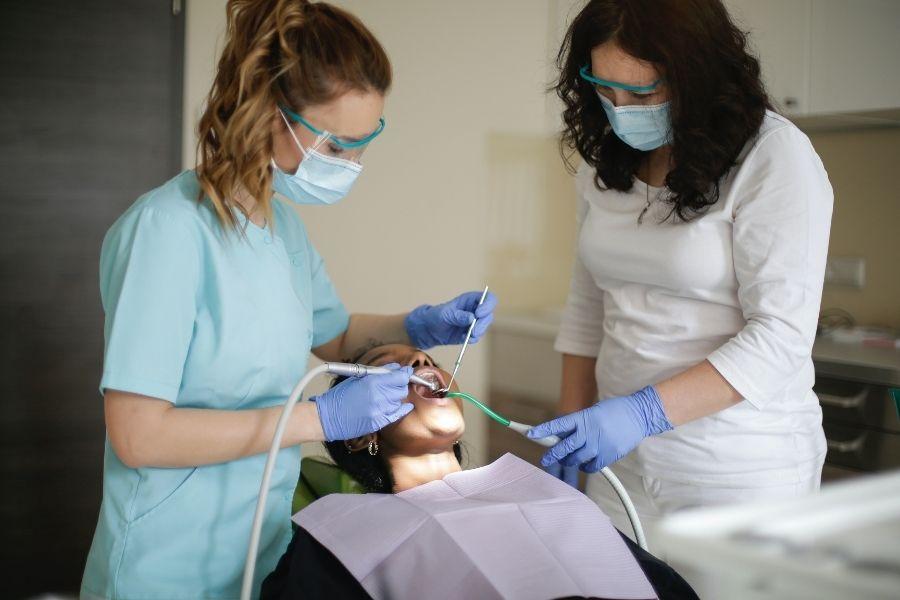
The dental chair represents a uniquely vulnerable position. Patients must recline with their mouths open, unable to speak, whilst someone works in one of the body’s most sensitive areas. This loss of control, combined with concerns about potential discomfort, creates a perfect storm for anxiety. The sounds of dental equipment, the clinical environment, and the anticipation of injections all contribute to heightened stress levels.
Secondary Fears and Social Anxiety
Some individuals fear judgement about the condition of their teeth. Years of avoiding dental care due to phobia often lead to visible decay or damage, which paradoxically increases embarrassment about seeking treatment. This creates a self-perpetuating cycle where shame prevents people from receiving the care they need.
Recognising the Impact on Oral Health
The consequences of untreated dental phobia extend beyond the mouth. Poor oral health has been linked to numerous systemic conditions, including cardiovascular disease and diabetes. When fear prevents regular check-ups and cleanings, minor issues progress into major problems requiring more extensive intervention. This creates the very scenario that phobic individuals most dread: complex, time-consuming procedures that could have been avoided with routine preventative care.
The psychological toll also proves significant. Living with dental phobia often means carrying constant worry about one’s teeth, experiencing pain from untreated conditions, and feeling self-conscious about one’s smile. These factors can diminish quality of life and affect personal and professional relationships in ways that extend far beyond the dental surgery.
Proven Approaches to Managing Dental Fears
Gradual Exposure and Desensitisation
One of the most successful strategies involves taking small, manageable steps towards dental care. This might begin with simply visiting a practice to meet the staff without any treatment scheduled. Subsequent visits could involve sitting in the dental chair fully clothed, then progressing to a basic examination. This gradual approach allows individuals to build confidence and trust at their own pace, reducing the overwhelming nature of dental appointments.
Communication and Control Signals
Establishing clear communication with dental professionals transforms the experience from one of helplessness to collaboration. Modern approaches to managing dental anxiety emphasise patient autonomy through agreed-upon hand signals that allow individuals to pause treatment at any time. Discussing concerns openly before procedures begin helps practitioners tailor their approach to individual needs and sensitivities.
Relaxation Techniques and Mindfulness
Breathing exercises, progressive muscle relaxation, and guided imagery can significantly reduce anxiety levels during dental visits. Practising these techniques beforehand ensures they become accessible tools during appointments. Some individuals find that listening to music or podcasts through headphones helps redirect attention away from dental procedures.
Moving Forward with Confidence
Overcoming dental phobia rarely happens overnight, but progress is entirely achievable with patience and the right support. Modern dentistry has evolved to accommodate anxious patients, with practitioners increasingly trained in anxiety management techniques. By acknowledging fears rather than dismissing them, seeking understanding professionals, and employing coping strategies, individuals can break free from the cycle of avoidance and reclaim their oral health and wellbeing.
Any surgical or invasive procedure carries risks. Before proceeding you should seek a second opinion from an appropriately qualified health practitioner.