
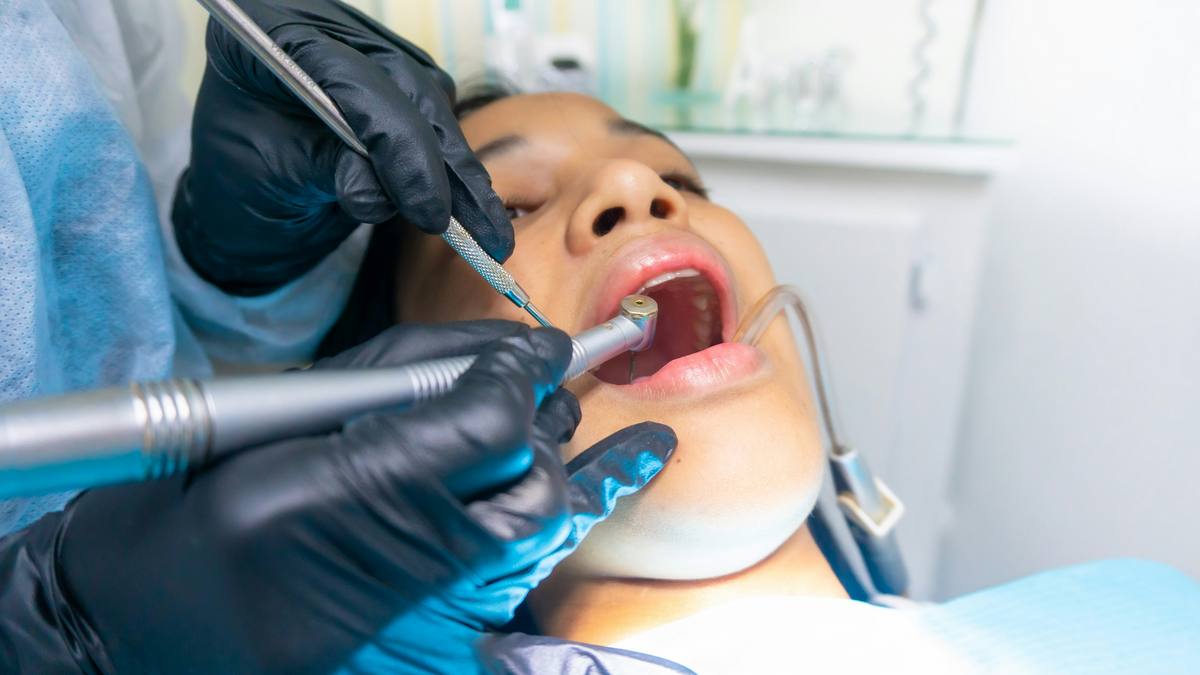
Orthodontics and the Symphony of Optimised Chewing Harmony

The Orchestra of Oral Function
As any orthodontist London will tell you, within the confines of one’s mouth lies a remarkable symphony, where each tooth serves as a precisely positioned instrument in an orchestra of mastication. The art of orthodontics conducts this ensemble, ensuring that every element works in perfect harmony to create the melodious rhythm of optimised chewing. When teeth align correctly, they perform their designated roles with the precision of a well-rehearsed philharmonic, transforming the simple act of eating into an effortless dance of mechanical efficiency.
The complexity of proper dental alignment extends far beyond mere aesthetics. Each tooth possesses a specific function within the chewing process, much like how violins, cellos, and brass instruments each contribute their unique voice to a musical composition. The incisors act as the opening notes, cutting and tearing food with sharp precision, whilst the molars provide the powerful crescendo, grinding and pulverising sustenance into digestible portions.
Understanding Malocclusion’s Discordant Notes
When teeth fall out of their intended positions, the entire oral symphony suffers from discord. Malocclusion creates a cacophony where instruments clash rather than complement, leading to inefficient chewing patterns and potential long-term complications. This misalignment forces certain teeth to bear excessive loads whilst others remain underutilised, creating an imbalanced workload that can result in premature wear, jaw strain, and digestive challenges.
The consequences of poor dental alignment extend throughout the entire digestive system. When food cannot be properly masticated due to irregular tooth positioning, the stomach and intestines must compensate for inadequate preparation. This additional burden on the digestive tract can lead to discomfort, reduced nutrient absorption, and various gastrointestinal issues that might otherwise be prevented through proper orthodontic intervention.
The Ripple Effects of Misalignment
Modern orthodontic science has revealed that dental misalignment affects more than just chewing efficiency. The temporomandibular joint, which serves as the conductor’s baton in this oral orchestra, can become strained when forced to accommodate irregular bite patterns. This strain often manifests as clicking, popping, or pain in the jaw joint, creating a domino effect that can influence facial muscles, neck tension, and even posture. An experienced orthodontist recognises these interconnected relationships and approaches treatment with a comprehensive understanding of the entire orofacial system.
The Therapeutic Transformation Process
The journey towards achieving optimal chewing harmony begins with a comprehensive assessment of the existing dental landscape. Orthodontic professionals employ sophisticated diagnostic tools to map the precise positioning of each tooth, analysing bite patterns, jaw relationships, and functional movements. This detailed evaluation forms the foundation for creating a personalised treatment plan that addresses both the visible misalignments and the underlying functional deficiencies that compromise chewing efficiency.
Modern orthodontic appliances work as skilled conductors, gradually guiding each tooth into its optimal position within the oral ensemble. Whether through traditional braces, clear aligners, or specialised functional appliances, these therapeutic instruments apply controlled forces that reshape the dental arch over time. The process requires patience and precision, as rushing the movement can disrupt the delicate balance being established throughout the mouth.
Functional Improvements Beyond Aesthetics
As orthodontic treatment progresses, patients often notice remarkable improvements in their chewing capabilities that extend well beyond cosmetic enhancement. Orthodontic treatment addresses both speech clarity and mastication efficiency, creating a more coordinated oral function. The newly aligned teeth distribute chewing forces more evenly, reducing strain on individual teeth whilst maximising the effectiveness of food breakdown.
The benefits of improved bite alignment through orthodontic intervention manifest throughout the digestive process. Properly positioned teeth create more surface area contact during chewing, allowing for thorough food preparation before swallowing. This enhanced mechanical processing reduces the workload on the stomach and intestines, potentially improving overall digestive health and nutrient absorption.
Achieving Long-term Oral Wellness
The completion of orthodontic treatment marks the beginning of a new chapter in oral health maintenance. Orthodontic improvements to bite function and chewing mechanics require ongoing care to preserve the achieved harmony. Retention protocols ensure that teeth maintain their newly established positions, whilst regular dental maintenance supports the continued health of the entire oral ecosystem.
The symphony of optimised chewing harmony represents more than mere dental alignment; it embodies a holistic approach to oral wellness that recognises the interconnected nature of dental function, digestive health, and overall wellbeing. Through skilled orthodontic intervention, the mouth transforms from a collection of misaligned instruments into a perfectly coordinated ensemble, capable of performing the complex choreography of efficient mastication with grace and precision.