
How Chewing Patterns Reveal Hidden Imbalances in Your Oral Health

Understanding the Science Behind Mastication
The seemingly simple act of chewing holds far more significance than most people realise. A dentist St Albans will tell you that every bite, grind, and jaw movement creates a complex symphony of muscular coordination, joint function, and dental alignment working in perfect harmony. When this delicate balance becomes disrupted, the consequences extend far beyond mere discomfort, potentially affecting overall oral health in ways that often go unnoticed until significant damage has occurred.
Chewing patterns, or mastication habits, serve as a diagnostic window into the health of the entire oral system. Dental professionals have long recognised that the way individuals process food reveals crucial information about tooth alignment, jaw joint function, muscle health, and even stress levels. These patterns develop over years, influenced by everything from childhood habits to structural abnormalities that may have been present since birth.
The Telltale Signs of Asymmetrical Chewing
Most individuals unconsciously favour one side of their mouth when chewing, a phenomenon that becomes problematic when the imbalance grows pronounced. This preference often stems from various underlying issues, including dental pain, missing teeth, or temporomandibular joint disorders. The consequences of persistent one-sided chewing extend beyond simple wear patterns, potentially leading to muscle overdevelopment on the favoured side and weakness on the neglected side.
Research has demonstrated that masticatory muscle activity differs significantly between individuals with balanced and imbalanced chewing patterns, highlighting the physiological impact of these habits. The muscles responsible for jaw movement adapt to repeated patterns, and over time, this adaptation can become permanent, altering facial symmetry and contributing to chronic discomfort.
Common Indicators of Chewing Imbalances
- Uneven wear on tooth surfaces, particularly on molars and premolars
- Persistent jaw clicking or popping sounds during eating
- Muscle tenderness on one side of the face or jaw
- Difficulty opening the mouth fully or smoothly
- Frequent headaches, particularly upon waking
- Tooth sensitivity concentrated on specific teeth
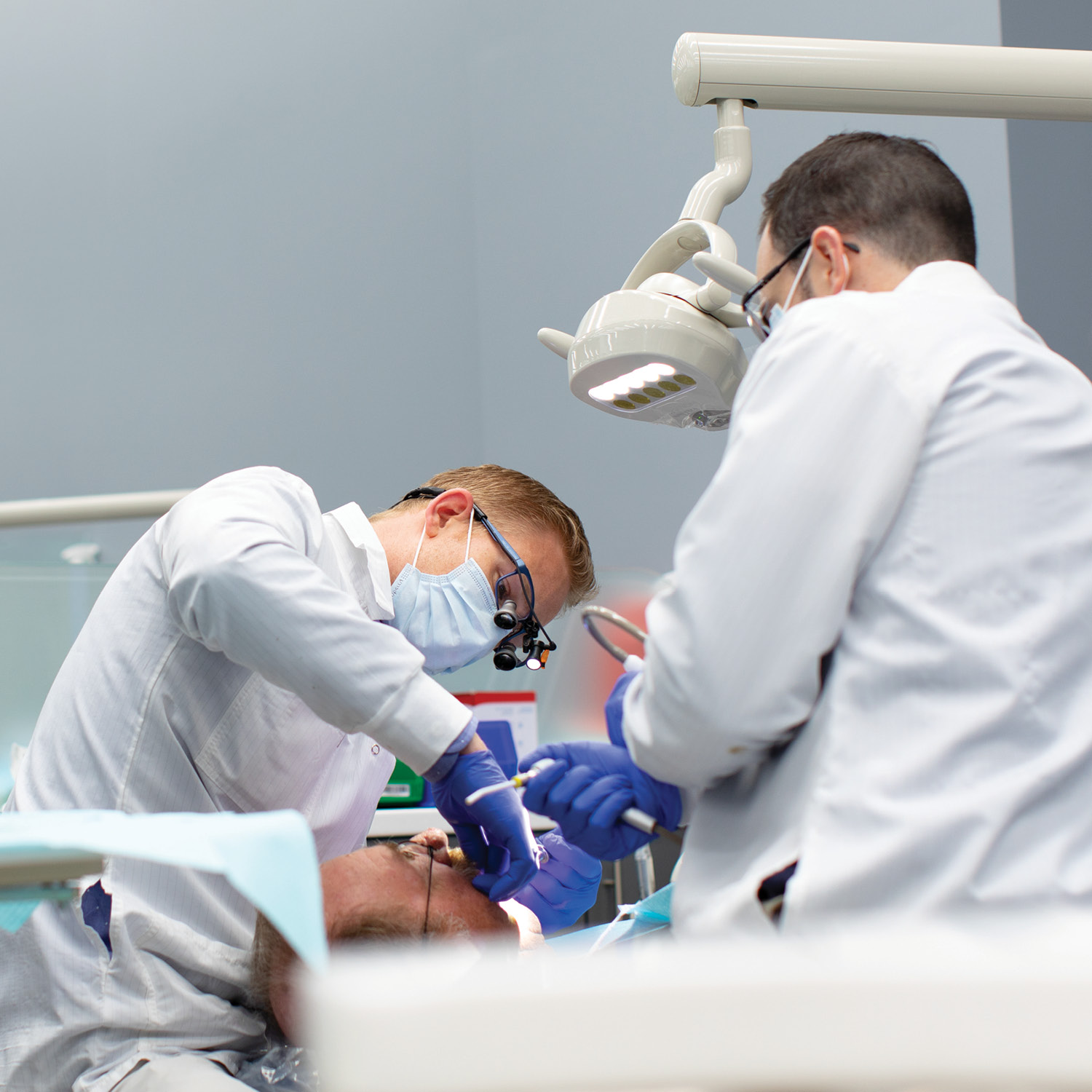
A qualified dentist can identify these patterns through careful examination and patient history. Professional assessment often reveals connections between chewing habits and seemingly unrelated symptoms, providing a comprehensive picture of oral health that patients themselves may not recognise.
How Dental Professionals Assess Mastication Patterns
Modern dentistry employs sophisticated techniques to evaluate chewing patterns and identify problematic habits before they cause irreversible damage. Clinical examination begins with visual assessment of tooth wear, looking for facets, chips, and unusual erosion patterns that indicate excessive force or grinding. Dental professionals also palpate the muscles of mastication, checking for hypertrophy, tenderness, or asymmetry that suggests functional imbalances.
Advanced diagnostic tools have revolutionised the field, with mastication analysis techniques now accessible in general dental practice, allowing for precise measurement of bite force distribution and chewing efficiency. These assessments provide objective data that guides treatment planning and helps patients understand the severity of their condition.
The Connection Between Stress and Chewing Habits
Psychological factors play a surprisingly significant role in mastication patterns. Stress and anxiety frequently manifest as bruxism, the unconscious grinding or clenching of teeth, particularly during sleep. This behaviour creates abnormal wear patterns and can fundamentally alter how individuals chew during waking hours. The relationship between emotional wellbeing and oral function demonstrates the interconnected nature of physical and mental health.
Studies have shown that chewing function impacts quality of life across multiple dimensions, affecting not only oral comfort but also nutrition, social confidence, and overall wellbeing. Addressing chewing imbalances therefore becomes essential for comprehensive health management rather than merely cosmetic correction.
Restoring Balance Through Professional Intervention
Correcting problematic chewing patterns requires a multifaceted approach tailored to individual circumstances. Treatment options range from conservative measures such as occlusal adjustments and bite splints to more comprehensive interventions including orthodontics or restorative dentistry. The goal remains consistent: restoring balanced function that distributes forces evenly across the dental arches whilst eliminating pain and preventing further damage.
Early intervention proves crucial in preventing long-term complications. Regular dental examinations allow professionals to identify emerging patterns before they become entrenched habits. Patients who remain vigilant about changes in their chewing comfort and seek timely professional guidance typically achieve better outcomes with less invasive treatments.
Taking Control of Your Oral Health
Understanding how chewing patterns influence overall oral health empowers individuals to take proactive steps towards maintaining dental wellness. Paying attention to which side of the mouth receives preferential use, noting any discomfort during eating, and scheduling regular professional assessments creates a foundation for lasting oral health. The mouth serves as both mirror and gateway to systemic wellbeing, making its care an investment in overall health that extends far beyond a confident smile.